Restaurant Buildout & Construction in Metro Atlanta
Every day past your target open date is revenue you do not get back, and a restaurant build has more ways to slip than any other interior — health department, hood and grease, equipment lead times, and a franchisor watching the schedule. You need a GC who has run this exact play before.
Kitchen first — then dining, then punch
A restaurant build is a kitchen job that happens to have a dining room. Hood and make-up air, grease interceptor, refrigeration, then the MEP a kitchen actually pulls, then dining and bar, then health department and franchisor punch. The items marked schedule-critical are the ones that miss an open date if they are ordered late or left out of the work letter.
- Hood, make-up air, and exhaustSchedule-critical
Code-driven mechanical, not a finish choice. Built to order, so the lead time starts the day the scope is set — not the day the ceiling is ready to close.
- Grease interceptor and kitchen plumbingSchedule-critical
Often below-slab and jurisdiction-specific. A change of occupancy from retail to restaurant is where this lands, and missing it early is how a budget and a slab both get opened twice.
- Walk-in coolers and freezersSchedule-critical
Refrigeration, drainage, and the power to run them. Factory lead times, not a warehouse pull. Order with the hood.
- MEP upgrades for kitchen load
Power, gas, and water the space was rarely built for. Panel and service size, gas routing, and exhaust are budget swingers — not dining-room decisions.
- Kitchen equipment set
Connections and coordination around owner-furnished or GC-furnished equipment. Late owner deliveries are a finished kitchen that still cannot cook.
- Dining room, bar, restrooms, storefront
Framing, finishes, millwork, bar equipment, ADA restrooms, signage and patio. Visible, and usually not where the date slips.
- Health department and franchisor punch
Building final and health-department approval are different inspections on different clocks. Franchisor punch is a third list. Plan the open date off the last one, not the last day of construction.
We have done over a hundred franchise buildouts. The sequence is not new to us.
Walk the space
We come out and look at what’s actually there — existing conditions, the capacity of the HVAC, electrical, and plumbing, and what your use will trigger for code and accessibility. Bring whatever you have: drawings, the lease exhibit, your target date. It takes about an hour, and we get on the calendar within days.
Get a real number
We scope it trade by trade — not a per-foot guess — and account for permitting and the long-lead items that actually move a schedule. You get a scoped estimate with the inclusions and exclusions spelled out, so you can hand it to your owner or lender and defend it. Not a range, and usually back in days.
We build
We pull the permits, order the long-lead items, and mobilize — self-performing the interior trades and managing the rest, in sequence. You get a point of contact and updates at the milestones that matter, through punch and closeout, including the documents you need to occupy.
Typical kitchen cost and timeline — not a bid
Most restaurant buildouts we do land in $100K–$500K and eight to sixteen weeks of construction depending on kitchen scope. Those are typical bands, not a number for your space. The kitchen drives both columns more than the dining room does.
| What | Typical | What moves it |
|---|---|---|
| Typical restaurant buildout | $100K–$500K | Kitchen systems — hood, grease, refrigeration, MEP — swing the number more than dining finishes. A site walk is the only figure worth locking an open date against. |
| Typical construction | 8–16 weeks | Construction depending on kitchen scope, plus permitting. Hoods and walk-ins are long-lead; order them when the scope is set. What actually moves a commercial buildout date → |
| Change of occupancy (retail → restaurant) | Deeper permit review | Turning a retail bay into a restaurant is a different occupancy, not a finish upgrade. Expect grease waste, ventilation, exiting, and accessibility on the reviewer’s list. Change of occupancy in Metro Atlanta permitting → |
| Work letter gaps — grease, gas, exhaust | Tenant cost if unclaimed | A restaurant adds grease interceptor, gas service, and exhaust routing to the usual HVAC and panel gaps. Unclaimed items are yours after you sign. Who pays for what in a work letter → |
| City of Atlanta / Metro AHJ | Confirm by address | City of Atlanta is its own AHJ — not Fulton County. Confirm jurisdiction before you write the open date. Commercial GC in Atlanta, GA → |
Call (404) 724-8709 before you lock an open date. We will walk the space, read the work letter against the kitchen the building can actually support, and give you a scoped number — not a range copied from this table.
Specialty interiors we handed back on a clock
There is no dedicated restaurant or kitchen case study on this site yet. Until there is, these are live interiors delivered against a fixed open date or a hard number — specialty interiors, not kitchens, and not a substitute for one.
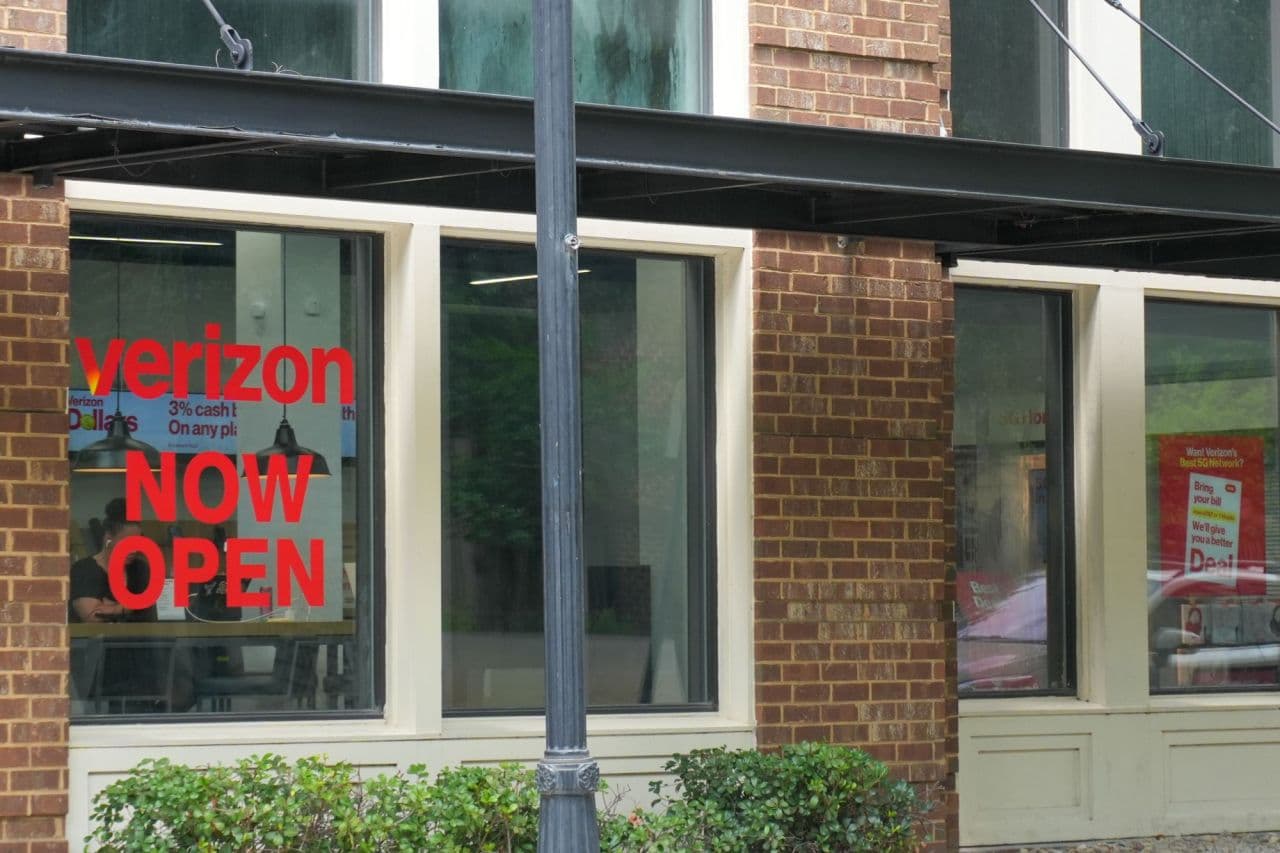
Interior retail buildout of a Verizon store in Atlanta's Glenwood Park neighborhood development, completed in a six-week turnaround and handed back to the operator so their team could stock, train, and open. Second store MAC has delivered for MobileGen.
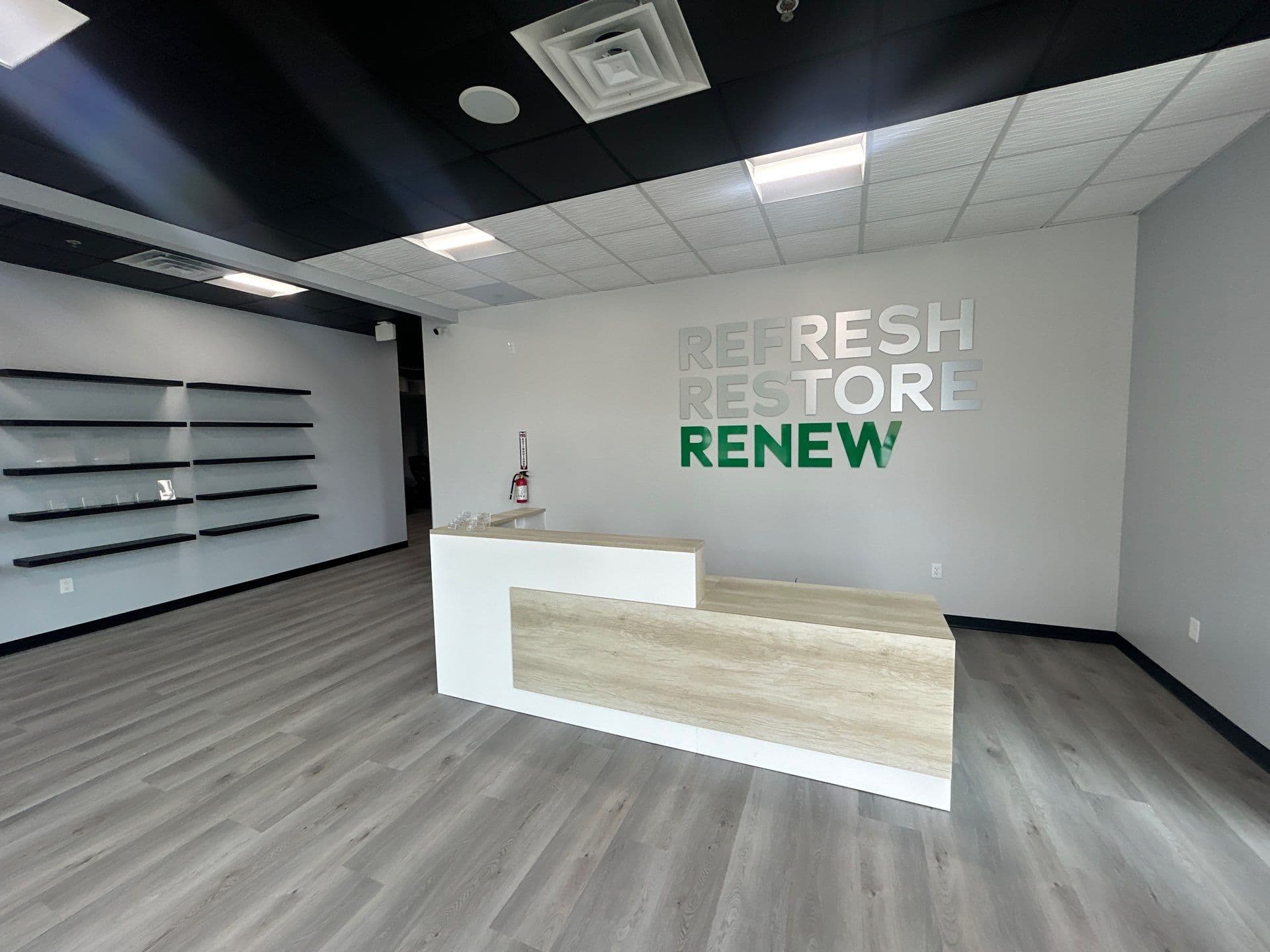
Interior buildout of a 2,000 sq ft leased retail space for IV Nutrition: demolition, light-gauge metal framing, insulation, drywall with curved ceiling features, paint, flooring, a full lighting package, and a drop ceiling. Ten weeks of construction at about $200,000.
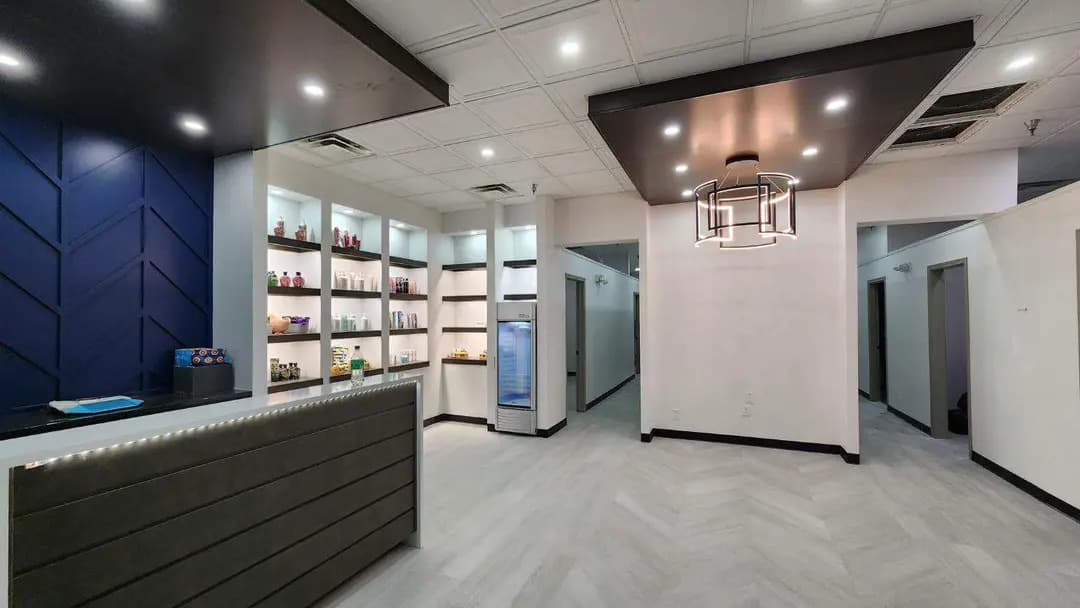
Eight-week interior buildout of a 1,500-square-foot tanning salon in Gainesville, Georgia, including retail display walls, reception, waiting area, and 12 private tanning rooms. The work was scoped and sequenced around a fixed open date the operator could not move.
Common questions
- How much does a restaurant buildout cost?
- Most restaurant buildouts we do land in the $100K–$500K range. The budget is driven by the kitchen — hood and make-up air, grease interceptor, refrigeration, and the MEP upgrades a kitchen requires — far more than by the dining room. The only number worth locking an open date against is a scoped estimate from your space. Where a restaurant budget actually goes.
- How long does a restaurant buildout take?
- Typically eight to sixteen weeks of construction depending on kitchen scope, plus permitting. Long-lead equipment and health-department requirements are the usual schedule drivers, so we plan around them early. What actually moves a commercial buildout date.
- Do you have franchise experience?
- Yes. We have done over a hundred Domino’s buildouts and have worked for Darden since. The franchise sequence — franchisor standards, health department, equipment coordination — is familiar territory. The published story of how that started is on our about page, not a Domino’s project URL. We have not published a restaurant case study on this site yet.
- Do you handle the hood, grease interceptor, and health department requirements?
- Yes — those are core to a restaurant build and among the first things we scope, because they are the lines most likely to blow up a budget or a schedule if they are missed. Hood and walk-in are schedule-critical long-leads; grease is often below-slab and tied to a change of occupancy.
- What does a change of occupancy from retail to restaurant do to permitting?
- It is the single biggest swing factor. Turning a retail bay into a restaurant is a different occupancy classification, not a finish upgrade. Expect deeper review on exiting, restrooms, ventilation, accessibility, and grease waste. Plan the schedule around that review, not a best case. Permitting a commercial buildout in Metro Atlanta · Atlanta location.
- What’s the difference between health department approval and a building final?
- They are different inspections on different clocks. A building final (and the certificate of occupancy) says the permitted construction is complete. Health department approval says the kitchen can operate — hood, grease, sinks, surfaces, the items that inspector grades. You need both to open. Franchisor punch, when it applies, is a third list. Plan the open date off the last one.
- When should we order the hood and the walk-in?
- The day the scope is set — not the day the ceiling is ready to close. Commercial kitchen hoods and walk-in coolers are built to order. A late release slides every trade behind them. Permitting can still change a detail, so lock the equipment that the drawings have already decided and keep a buffer for comments. Long-lead items on a commercial buildout timeline.
- How is an independent restaurant different from a franchise buildout?
- The kitchen physics are the same: hood, make-up air, grease, refrigeration, MEP, health department. A franchise adds brand standards, corporate reviewers, and a prototype that has to be forced onto a real building — more people on the calendar, not a different set of trades. An independent still has an open date that is lost revenue if it slips. Either way we scope kitchen-first. How a work letter splits grease, gas, and exhaust.
Related reading
All insights →Change of occupancy — retail to restaurant — is the swing factor. City vs county, grease, fire review, and the CO.
Hoods and walk-ins are long-lead. Construction is the predictable part; the factory queue is not.
Grease interceptor, gas service, and exhaust routing are the restaurant gaps that become tenant cost after you sign.
Where the money goes — kitchen, hood, grease, refrigeration, MEP — and why the dining room is rarely the overrun.
Also on this site
A kitchen is a different TI. Same lease, same work letter, different systems — and a date that is lost revenue if it slips.
Tenant improvements →City of Atlanta is its own AHJ — not Fulton County. Home-base page for permitting, metro jurisdictions, and how we work here.
Commercial GC in Atlanta, GA →Got a space that needs a buildout?
Call us. We'll come walk the space and tell you what we think it'll take.